
Top Techniques for Effective Injury Recovery and Sports Massage Benefits
- schwartzsportsmass
- Jun 10
- 3 min read
Recovering from an injury requires a strategic approach. Combining various techniques can accelerate healing, reduce pain, and restore function. Understanding the best methods for injury recovery helps optimize the process and prevent future setbacks. This article outlines key techniques and highlights therapeutic massage techniques for those seeking effective recovery.
Understanding Sports Massage Benefits in Injury Recovery
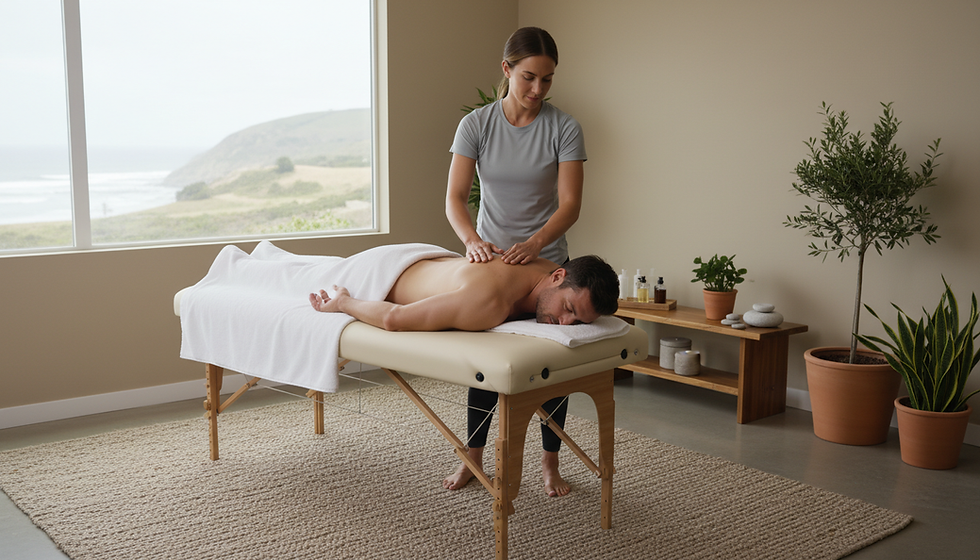
Sports massage targets muscles and soft tissues to improve circulation and flexibility. It helps reduce muscle tension and promotes faster healing. For athletes and active individuals, sports massage benefits include:
Enhancing blood flow to injured areas
Reducing inflammation and swelling
Breaking down scar tissue
Improving range of motion
Decreasing muscle soreness
Regular sessions can maintain muscle health and prevent injuries. Sports massage complements other recovery methods by preparing the body for physical activity and aiding post-exercise repair.

Essential Techniques for Injury Recovery
Effective injury recovery involves a combination of rest, physical therapy, and targeted treatments. The following techniques provide a comprehensive approach:
1. Rest and Controlled Activity
Allowing the injured area to rest is crucial during the initial phase. Avoiding activities that cause pain prevents further damage. However, complete immobilization is not always recommended. Controlled activity, such as gentle stretching or low-impact exercises, helps maintain circulation and prevents stiffness.
2. Ice and Heat Therapy
Applying ice reduces swelling and numbs pain during the first 48 hours after injury. Ice packs should be used for 15-20 minutes every 2-3 hours. After the acute phase, heat therapy can relax muscles and improve blood flow. Heat packs or warm baths are effective for chronic muscle tightness.
3. Compression and Elevation
Compression with elastic bandages limits swelling and supports injured tissues. Elevating the injured limb above heart level also reduces fluid buildup. These techniques are especially useful for sprains and strains.
4. Physical Therapy and Exercise
Guided physical therapy helps restore strength and mobility. Therapists design personalized exercise programs focusing on flexibility, balance, and muscle conditioning. Gradual progression prevents re-injury and promotes functional recovery.
5. Nutrition and Hydration
Proper nutrition supports tissue repair. Protein intake is essential for muscle regeneration. Vitamins C and D, zinc, and omega-3 fatty acids contribute to healing and inflammation control. Staying hydrated maintains cellular function and aids recovery.
Is it good to get a massage after an injury?
Massage after an injury can be beneficial when timed correctly. Early-stage injuries require caution to avoid aggravating tissues. Once inflammation decreases, massage helps:
Relieve muscle tightness
Improve circulation
Break down adhesions and scar tissue
Reduce pain and stiffness
Different massage techniques suit different stages of recovery. Light effleurage and lymphatic drainage are appropriate soon after injury. Deeper techniques like trigger point therapy and myofascial release work well during later stages.
Consulting a professional ensures massage is applied safely and effectively. Customized treatment plans address specific injury types and recovery goals.

Incorporating Massage Therapy for Injury Recovery
Integrating massage therapy for injury recovery into a rehabilitation plan enhances outcomes. Massage complements physical therapy and exercise by:
Accelerating tissue healing
Reducing muscle spasms
Enhancing lymphatic drainage
Improving joint mobility
Regular sessions tailored to injury severity and type optimize recovery speed. Massage also supports mental well-being by reducing stress and promoting relaxation.
Athletes and active individuals benefit from combining massage with other recovery techniques. This holistic approach addresses both physical and psychological aspects of healing.
Additional Recovery Strategies
Beyond the core techniques, several additional strategies support effective injury recovery:
Use of supportive devices: Braces, splints, or taping provide stability and protect injured areas during activity.
Sleep optimization: Quality sleep promotes tissue repair and reduces inflammation.
Mind-body practices: Techniques such as meditation and controlled breathing help manage pain and improve focus during recovery.
Regular monitoring: Tracking progress with healthcare professionals ensures timely adjustments to treatment plans.
Implementing these strategies alongside primary recovery methods creates a comprehensive healing environment.
Maximizing Recovery Outcomes
Maximizing recovery requires consistency and attention to detail. Key recommendations include:
Following professional advice and treatment plans strictly
Avoiding premature return to high-intensity activities
Maintaining a balanced diet rich in anti-inflammatory foods
Staying hydrated throughout the day
Scheduling regular massage sessions to maintain muscle health
Patience and persistence are essential. Recovery timelines vary depending on injury type and individual factors. Prioritizing gradual improvement reduces the risk of chronic issues.
Effective injury recovery combines rest, therapy, and targeted treatments. Understanding remedial massage and integrating massage therapy for injury recovery enhances healing. Employing a multi-faceted approach supports faster return to activity and long-term wellness.
Ready to accelerate your recovery? At Schwartz Sports Massage, our licensed therapists specialize in sports massage for injury recovery, helping athletes and active individuals heal faster and return to peak performance. Book your session today.

Comments